
You’ll find clear reasons why Invisalign often makes more sense than traditional braces for busy Louisville lives, from near-invisible aligners to easier oral hygiene. If you want a discreet, comfortable way to straighten teeth with fewer lifestyle disruptions, Invisalign delivers effective results suited to many adults and teens in Louisville.
A neighborhood dental expert explains how Invisalign works, who qualifies, and what daily life looks like during treatment so you can decide with confidence. Expect practical comparisons, real local experiences, and straightforward next steps to help you take action toward a healthier, more confident smile.
What Is Invisalign and How Does It Work?
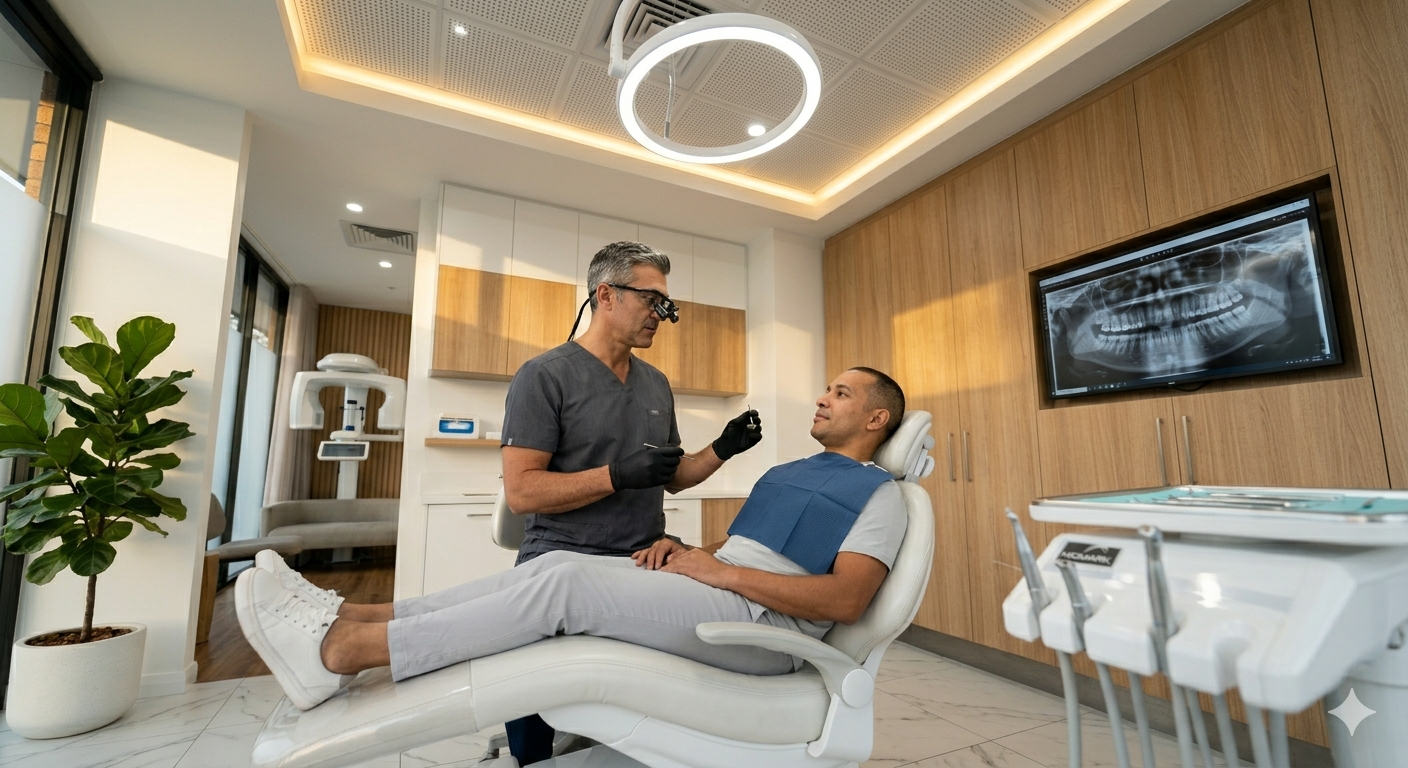
Invisalign uses a series of custom, clear plastic aligners that fit over the teeth and apply controlled pressure to shift them into place. Treatment combines digital planning, predictable staging, and regular check-ins to move teeth with minimal disruption to daily life.
How Clear Aligners Gently Move Teeth
Aligners are made from medical-grade, BPA-free thermoplastic molded to each patient’s dental anatomy. Each tray represents a small incremental movement; when worn 20–22 hours per day, it nudges specific teeth according to the treatment plan.
Patients switch aligners roughly every 7–14 days. Each new tray advances the teeth slightly from the previous position. Attachments — small tooth-colored bumps bonded to enamel — give aligners extra grip for rotations or difficult movements.
Wearing the aligners consistently and following the schedule makes movements predictable. Routine dental visits every 6–10 weeks let the provider monitor progress and adjust the plan if needed.
The Science Behind Removable Orthodontics
Orthodontic tooth movement relies on remodeling of the periodontal ligament and surrounding bone. Aligners transmit light, sustained force across tooth surfaces; that force creates cellular responses that resorb bone on the pressure side and deposit bone on the tension side.
Digital treatment planning uses 3D scans and software to simulate stages, calculate required forces, and design the sequence of aligners. This visualization helps estimate treatment length and expected outcomes before fabrication begins.
Removability improves oral hygiene and comfort compared with fixed braces. However, the biological processes still require time; rapid movements or inconsistent wear can slow progress or cause relapse. Retention after finishing treatment prevents teeth from drifting back.
Types of Dental Issues Invisalign Can Treat
Invisalign treats a range of orthodontic concerns for teens and adults. Typical cases include mild to moderate crowding, spacing, and relapse after prior orthodontics. It also addresses overbite, underbite, and crossbite when movements fall within aligner capabilities.
Complex skeletal problems or severe tooth rotations sometimes need adjunctive approaches or traditional braces. Providers often combine aligners with attachments, interproximal reduction (IPR), or elastics to manage challenging movements.
A thorough clinical exam and 3D scan determine candidacy. The dentist or orthodontist will explain realistic expectations, likely duration (often 6–18 months for many adults in Louisville), and any complementary procedures needed for optimal results.
Advantages of Choosing Invisalign in Louisville
Patients find clear aligners that fit daily life, local specialists who know Louisville oral health trends, and neighborhood care that simplifies visits and follow‑ups.
Personalized Treatment Plans
Invisalign providers in Louisville use digital scans and 3D treatment planning to create aligner sets tailored to each patient’s bite, tooth movement goals, and schedule. The clinician maps out stages of movement, estimates treatment length, and adjusts aligner wear patterns to address crowding, spacing, or mild bite issues.
The plan often includes predictable checkpoints and planned refinements. Patients receive a series of custom trays numbered for each week or two-week interval, with progress tracked against the digital plan. Providers can modify the sequence if teeth respond slower or faster than expected.
Cost estimates, insurance information, and financing options appear up front during planning. That transparency helps patients compare timelines and out‑of‑pocket responsibilities before committing. Clear communication about expected discomfort, compliance needs, and retention also appears in the treatment plan.
Expert Local Providers
Louisville dental and orthodontic practices offering Invisalign typically combine specialized training with community experience. Many clinicians have completed Invisalign certification courses and maintain case experience treating teenagers and adults with clear aligners.
Local providers also understand regional patient needs, like common orthodontic concerns linked to prior dental work or seasonal appointment patterns. They coordinate with general dentists for restorations or periodontal care when necessary, reducing treatment interruptions.
Reviews and before‑and‑after cases from Louisville practices help patients evaluate provider skill and case complexity handled. Practices usually provide initial consultations, digital impressions, and treatment simulations so patients can see projected outcomes before starting.
Convenience of Neighborhood Care
Choosing a nearby Invisalign provider cuts travel time for initial scans, routine checkups, and aligner pickup. Many Louisville practices offer evening hours, Saturday appointments, and digital appointment reminders to fit work and school schedules.
Onsite services often include same‑day digital impressions, clear retainer fabrication, emergency checks for sore spots, and direct communication via patient portals or text. That quick access shortens response time for questions about aligner fit, attachments, or progress concerns.
Neighborhood care also makes post‑treatment retention easier. Local offices can supply retainers, monitor early relapse signs, and schedule periodic checkups without long drives—helping patients maintain results with minimal hassle.
Comfort and Daily Life Benefits
Invisalign aligners let patients continue their normal routines with fewer disruptions. They reduce visible hardware, make meals easier, and often cause less soft-tissue irritation than metal braces.
Discreet Appearance for Social Confidence
Many patients choose Invisalign because the clear plastic is hard to notice in conversations, photos, and professional settings. The aligners are made from transparent, smooth thermoplastic that sits close to the teeth, so coworkers and friends usually won’t see them unless looking closely.
This discreet look helps adults and teens feel more confident during meetings, interviews, and social events. Some in Louisville report fewer questions and less self-consciousness compared with wearing traditional metal brackets. For people who perform, teach, or work in public-facing roles, that subtlety can make a practical difference in daily comfort and confidence.
Removable Design for Easy Eating and Cleaning
Invisalign trays are removable, which allows patients to eat whatever they normally do without food restrictions. They simply take the aligners out for meals and snacks, then brush and reinsert—no need to work around wires or avoid sticky or crunchy foods.
Removability also improves oral hygiene. Patients can brush and floss their natural teeth normally, lowering plaque buildup and reducing the risk of staining or gum inflammation common with fixed appliances. Most dentists advise cleaning the aligners daily with a soft brush and lukewarm water to prevent odors and keep them clear.
Less Irritation Compared to Braces
The smooth plastic edges of Invisalign aligners reduce rubbing and poking of the lips and cheeks, a common complaint with metal brackets and wires. New patients often report an adjustment period of a few days, then significantly less soreness or ulceration compared with traditional braces.
Because adjustments come from swapping to a new set of trays rather than tightening wires, patients frequently experience more gradual pressure and fewer sharp soreness episodes. For those with active lifestyles or who play wind instruments or contact sports, this gentler interaction with soft tissues can mean fewer interruptions and quicker return to normal activities.
Oral Health Improvements with Invisalign
Invisalign aligners help reduce overcrowding, close gaps, and straighten teeth, which directly improves daily cleaning and reduces sites where plaque collects. They also support healthier gums and lower the risk of tooth wear by aligning the bite more evenly.
Easier Brushing and Flossing
Misaligned teeth create tight contacts and overlapping surfaces that trap food and make flossing difficult. Invisalign straightens teeth gradually, opening contacts and aligning surfaces so toothbrush bristles reach enamel and floss passes between teeth without tearing. Patients who switch to aligners often report fewer missed spots during brushing because the tooth surfaces sit in predictable positions.
Because aligners are removable, patients brush and floss the same as before treatment instead of working around brackets and wires. That means they can use interdental brushes, water flossers, and floss threaders when needed, maintaining hygiene routines effectively. Dentists in Louisville often emphasize keeping a travel kit for cleaning after meals to prevent plaque buildup while wearing aligners.
Support for Long-Term Gum Health
Crowded or gapped teeth create pockets where bacteria inflame gingival tissue and lead to bleeding or recession. By aligning teeth, Invisalign reduces pocket depth and evens the distribution of occlusal forces, which helps gum tissue recover and remain stable. Clinical follow-ups show improvements in bleeding-on-probing and reduced localized inflammation when patients maintain good home care.
Aligner treatment also makes professional cleanings more effective. Hygienists can access all tooth surfaces without removing brackets, allowing more thorough scale and polish sessions. Regular monitoring during Invisalign treatment lets providers address any early signs of periodontal disease and adjust care plans, protecting long-term gum health.
Comparing Invisalign to Traditional Braces
Invisalign and traditional braces differ most in convenience, daily life impact, and cleaning routines. Each option affects appointment frequency, what patients can eat, and how they care for their teeth during treatment.
Fewer Office Visits Required
Invisalign uses a series of clear, removable aligners that patients swap at home every 1–2 weeks. This reduces chair time because aligners require fewer in-office adjustments than metal braces, which need tightening or wire changes every 4–6 weeks.
Remote monitoring programs often pair with Invisalign, letting the dentist review progress via photos or apps. That cuts routine visits down to every 8–12 weeks for many patients, though complex cases still need more frequent check-ins. Fewer visits suit busy Louisville residents who prefer less disruption to work, school, or family schedules.
No Dietary Restrictions
Invisalign aligners are removable for eating, so patients can continue eating crunchy, sticky, or chewy foods without modification. They simply take the aligners out before meals and rinse them before reinserting.
Traditional braces use brackets and wires that trap food and can break with hard or sticky items. Patients with braces must avoid things like hard candy, popcorn, and certain nuts to prevent damage. For people who value food flexibility, Invisalign offers a clear daily advantage.
Simpler Maintenance Routine
Invisalign requires cleaning the aligners and maintaining regular oral hygiene: brushing twice daily, flossing daily, and rinsing aligners before reinserting. Cleaning tools include a soft toothbrush and a mild, nonabrasive soap or manufacturer-recommended cleaner.
Braces demand more time for cleaning around brackets and wires. Patients often need interdental brushes, water flossers, and longer brushing sessions to remove trapped food and plaque. Oral hygiene lapses with braces carry higher risks of decalcification and staining, making Invisalign’s simpler routine attractive for patients seeking lower daily upkeep.
If they want to discuss which option best fits their lifestyle, patients should schedule a consultation with a Louisville dental professional to review treatment time, costs, and any clinical limitations.
Who Makes a Good Candidate in Louisville?
Candidates often have mild to moderate crowding, spacing, or bite issues and value a nearly invisible, removable option that fits busy Kentucky lifestyles. They also need realistic expectations about treatment time and willingness to follow instructions for consistent wear and hygiene.
Age Considerations
Invisalign works well for many age groups, but treatment planning differs by stage of dental development. Teenagers whose permanent teeth are mostly in place can benefit from clear aligners, especially when growth is near completion. Orthodontists in Louisville often use eruption monitoring and X-rays to confirm readiness.
Adults are prime candidates because their jaws are fully developed and periodontal health can be managed before starting aligners. Older adults with mild bone loss may still qualify after gum disease stabilization. For children with mixed dentition, early intervention more commonly uses traditional appliances; aligners are less predictable until most permanent teeth have erupted.
Types of Dental Alignment Challenges
Invisalign handles many common issues but not every case suits aligners alone. It reliably corrects mild to moderate crowding, gaps, and simple overbites or underbites. Dentists in Louisville frequently use attachments and staged movements to address rotated teeth and small vertical corrections.
More complex problems—severe skeletal discrepancies, large open bites, or extreme tooth rotations—often require braces, extractions, or even orthognathic surgery. Many practices combine Invisalign with adjuncts like elastics, temporary anchorage devices, or refinements to expand treatable cases. A clinical exam and digital scans determine whether Invisalign alone will meet functional and aesthetic goals.
Expectations for Compliance
Successful Invisalign treatment depends on patient behavior as much as clinical planning. Patients must wear trays 20–22 hours per day, switch aligners every 1–2 weeks as directed, and keep up with hygiene to avoid staining and gum problems. In Louisville practices, staff often set follow-up intervals and use apps or reminders to boost adherence.
Missed wear time or skipped appointments commonly prolongs treatment or compromises results. Clear communication about lifestyle factors—frequent coffee, smoking, or contact sports—helps clinicians recommend protective strategies or alternative options. Patients who commit to prescribed wear and check-ins achieve predictable, reliable outcomes.
What to Expect During Treatment
Patients receive a clear plan, digital scans, and a schedule for check-ins so they know what will happen at each step. Comfort, predictable progress, and simple daily routines form the backbone of most Invisalign courses in Louisville.
Initial Assessment and Digital Scanning
The dentist performs a clinical exam and reviews X-rays to confirm Invisalign suits the patient’s bite and oral health. They look for cavities, gum disease, or space issues that need treatment before aligners begin.
A trained technician or the dentist uses an intraoral scanner to capture precise 3D images in minutes. These scans replace messy impressions and let the patient see a virtual treatment preview — called a ClinCheck — that maps tooth movements from start to finish.
The provider explains expected tooth movements, estimated treatment length, and any attachments or IPR (interproximal reduction) planned. Patients get an opportunity to ask about how aligners may feel, eating restrictions, and teeth-staining risks from certain foods or smoking.
Timeline for Seeing Results
Most patients notice initial tooth movement within 2–6 weeks, often with subtle alignment changes in the front teeth first. More visible improvements, such as reduced crowding or closed gaps, usually appear by 3 months.
Total treatment time varies by case complexity: mild corrections commonly finish in 6–9 months, while moderate to complex cases take 12–18 months or longer. The ClinCheck provides a week-by-week plan and estimated end date, which the dentist updates if needed.
Adherence affects speed: wearing aligners 20–22 hours daily accelerates progress, while inconsistent wear can add months. Patients should plan follow-up treatments like refinements or retainers after active alignment to preserve results.
Routine Check-Ins and Progress Updates
Follow-up visits typically occur every 6–10 weeks to review fit, check tooth movement, and dispense the next set of aligners. The clinician assesses attachments, evaluates oral hygiene, and addresses any soreness or chewing issues.
Some offices use remote monitoring apps that let patients upload weekly photos, reducing in-office visits. The dentist reviews those uploads and requests a clinic appointment if movements deviate from the plan.
If teeth stall or unexpected gaps appear, the provider may order mid-course refinements or new scans to revise the ClinCheck. At treatment completion, the practice provides retainers and a schedule for retention visits to lock in the new smile.
Real Patient Experiences in Louisville
Patients describe clear improvements in appearance and daily comfort, along with specific details about appointment routines, treatment length, and local clinic support that influenced their decisions.
Success Stories from Local Patients
A 28-year-old teacher from Highlands reports finishing treatment in 12 months and now speaks more confidently in class. She appreciated evening appointment times at a downtown orthodontic office and found the monthly check-ins quick—usually under 15 minutes.
A 46-year-old nurse from St. Matthews describes resolving mild crowding and reducing jaw soreness after switching from night guards to Invisalign. She credits her progress to consistent wear (20–22 hours daily) and an assistant who sent text reminders for aligner changes.
A college student who commuted from Belknap to appointments highlights financing options at a family dental practice and a free initial scan. Photos and progress aligner trays helped him track tooth movement and stay motivated.
Common Challenges and How They’re Overcome
Initial speech changes and minor tongue lisping affect some patients for the first few days. Louisville dentists recommend practicing reading aloud and wearing aligners continuously; most patients report adaptation within one week.
Soreness after starting a new tray often appears for 48–72 hours. Over-the-counter ibuprofen, soft foods like yogurt, and cold compresses ease discomfort, and clinicians adjust tray staging if pain persists.
Keeping aligners clean and avoiding stains is a frequent concern for coffee and bourbon drinkers. Patients use gentle brush-and-rinse routines, soak tablets once daily, and carry a travel case to remove trays before eating. Local clinics also provide hygiene kits and quick chairside cleanings during visits.
Next Steps: Taking the First Step Toward Your Healthier Smile
They recommend scheduling an initial consultation to confirm candidacy for Invisalign and to discuss goals. The visit usually includes a quick exam, digital scans, and a clear treatment outline with timelines.
Patients often appreciate a practical cost overview and financing options. The office can provide an itemized estimate and explain insurance coverage, monthly payment plans, and any available discounts.
Preparation before starting treatment is simple and low-stress. Good oral hygiene and addressing any cavities or gum issues first help ensure predictable results and a comfortable experience.
A typical treatment pathway looks like this:
- Consultation and digital records
- Personalized treatment plan and cost review
- Aligner fabrication and fitting
- Regular progress checks every 6–10 weeks
They encourage asking specific questions during the consultation. Questions might include expected treatment length, how often to wear aligners, comfort concerns, and what to expect during checkups.
Patients find it helpful to bring a list of goals and any prior dental records. That makes planning smoother and speeds up decisions about attachments, elastics, or refinements.
Contact the Louisville practice to book a consultation or request a virtual screening if available. The team will guide the next steps and tailor the plan to each person’s comfort and lifestyle.
Frequently Asked Questions
This section answers common patient concerns about clear aligner treatment in Louisville, KY, including comfort, timeline, cost, and follow-up care. It gives concrete examples and realistic expectations based on typical cases seen in local dental and orthodontic practices.
What are the biggest advantages of clear aligners compared with traditional braces?
Clear aligners are removable, so patients can eat and brush without brackets or wires getting in the way. They also reduce soft-tissue irritation that often occurs with metal braces.
Aligners tend to be more discreet, which many adults and teens prefer for work, school, or social settings. Treatment planning uses digital scans and 3D models, improving predictability for common tooth movements.
How comfortable are clear aligners, and will they affect my speech or daily routine?
Most patients report mild, short-lived soreness during the first few days after switching trays as teeth adjust. Over-the-counter pain relievers and softer foods for 48–72 hours usually manage any discomfort.
Aligners can cause a slight lisp initially, but speech typically returns to normal within a few days of consistent wear. Because trays are removed for eating and oral hygiene, daily routines rarely require major changes other than keeping aligners clean and worn 20–22 hours per day.
How long does treatment usually take for common alignment concerns?
Simple cases like minor crowding or small spacing issues often finish in 4–9 months. Moderate crowding or bite corrections commonly require 9–18 months depending on the complexity.
Severe bite problems or combined orthodontic and restorative needs can extend treatment beyond 18 months. An initial consultation with digital records provides a patient-specific timeline and expected milestones.
Can clear aligners help with jaw pain or TMJ-related symptoms in some cases?
Aligners can help if tooth position contributes to an uneven bite that places strain on the jaw muscles. Correcting the dental alignment can reduce muscle tension and improve bite contacts, which may ease some TMJ symptoms.
They are not a universal TMJ treatment; persistent or joint-structured problems need evaluation by a dentist or specialist. Providers often combine aligner therapy with occlusal adjustments, night guards, or physical therapy for better outcomes.
What factors influence the total cost of treatment, and what does a typical investment look like?
Cost depends on case complexity, treatment length, whether attachments or interproximal reduction (IPR) are needed, and the provider’s experience. Ancillary costs like retainers, refinements, and possible restorative work also affect the final price.
In Louisville, typical clear aligner treatment ranges from moderate to higher tiers depending on the practice; many offices offer payment plans, insurance coordination, and flexible financing to reduce out-of-pocket burden. A consultation provides an exact quote and payment options tailored to the plan.
How often will I need check-ins during treatment, and what happens if I lose a tray?
Routine check-ins are usually every 6–10 weeks to monitor progress and receive the next series of trays. Some practices use virtual check-ins via photos for simpler cases, reducing in-office visits.
If a tray is lost, contact the provider promptly; they will advise whether to move to the next tray, create a replacement, or temporarily wear the previous tray. Prompt communication minimizes treatment delays and keeps tooth movement on schedule.