
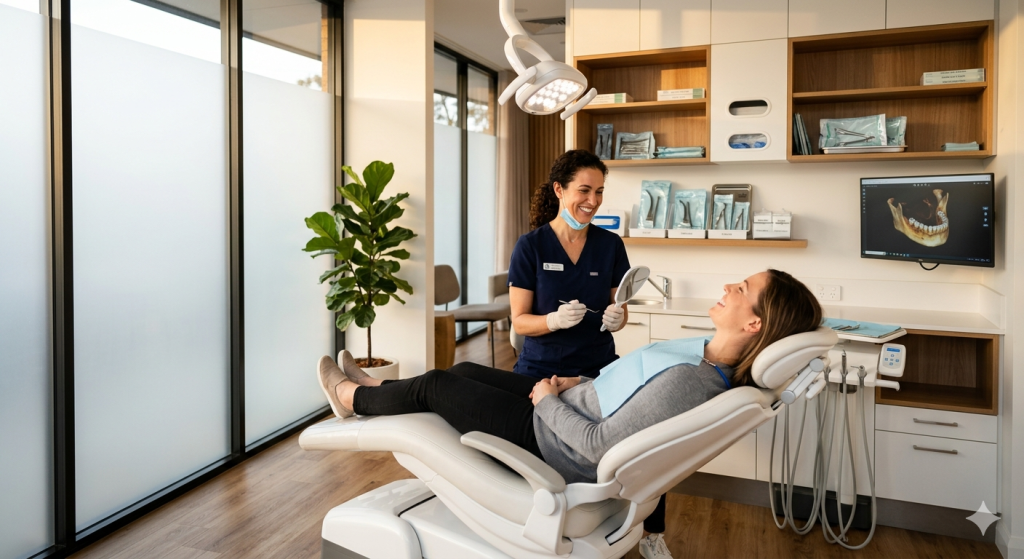
When a dental emergency strikes in Louisville, knowing where to turn can make all the difference. An emergency dentist in Louisville, KY, is available to provide prompt care for issues like severe tooth pain, broken teeth, or sudden swelling. This quick access helps prevent further damage and eases discomfort.
These dentists understand how stressful dental emergencies can be and focus on patient comfort while offering modern, effective treatments. Whether it’s after hours or on a weekend, many emergency dental clinics in Louisville are ready to help.
If someone experiences a dental emergency, it’s important to seek professional care quickly rather than waiting. They can guide patients on what to do next and provide reassurance during an unsettling time.
Recognizing Dental Emergencies
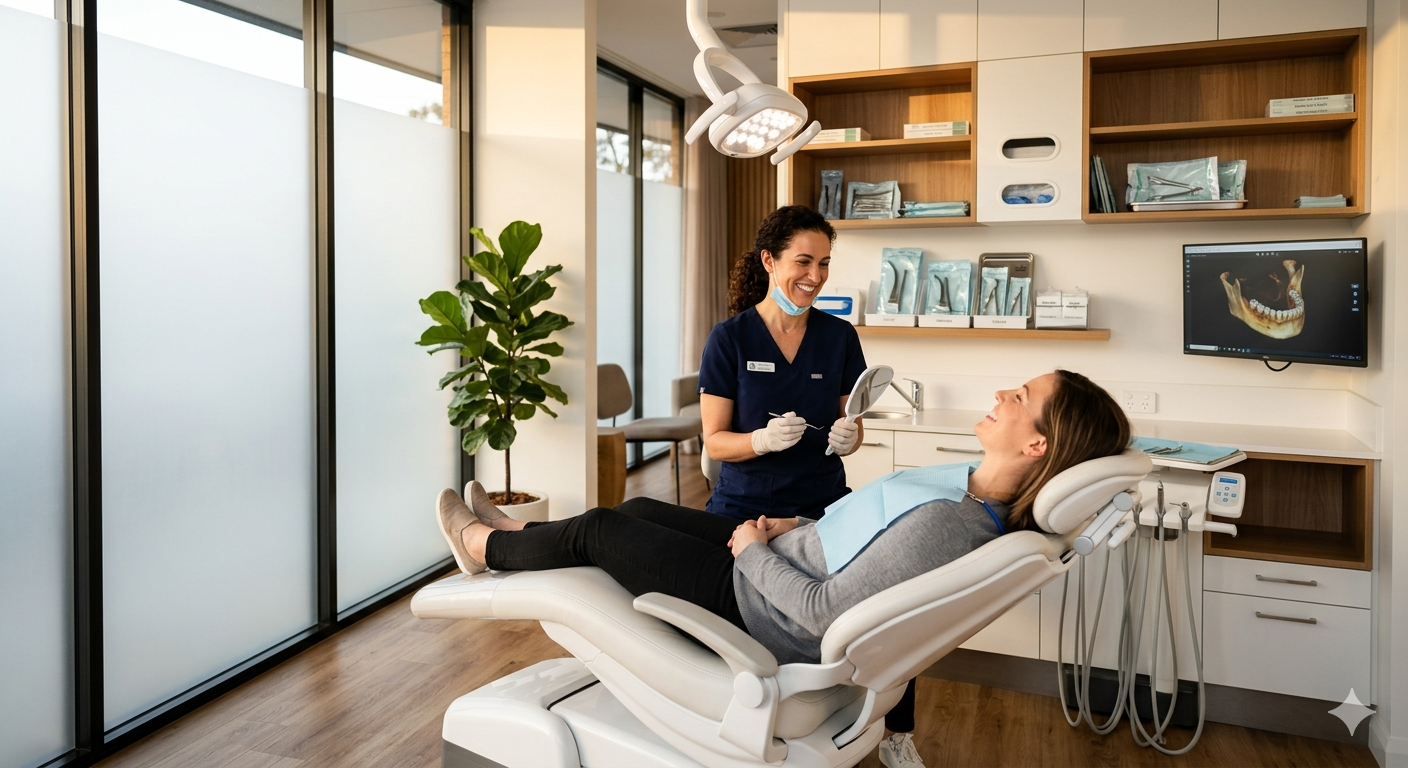
Knowing how to identify a dental emergency can save teeth and reduce pain. It’s important to understand the signs, common types, and when to act immediately or manage symptoms at home.
Common Signs It’s Time to Call an Emergency Dentist
Severe tooth pain that won’t subside with over-the-counter painkillers is a key sign to seek urgent care. Swelling in the gums, face, or jaw, especially when coupled with fever, indicates infection needing prompt treatment.
Bleeding that doesn’t stop after 15 minutes or deep cuts inside the mouth also require immediate dental attention. Knocked-out or broken teeth, sharp pain when biting, or visible damage to dental work should never be ignored.
If the situation causes difficulty breathing, swallowing, or extreme pain, calling an emergency dentist right away is critical.
Types of Dental Emergencies
Dental emergencies vary widely, but the most common ones include tooth fractures, avulsions (knocked-out teeth), abscesses, and severe infections.
A tooth fracture can expose nerves, causing intense pain and increasing infection risk. Avulsed teeth can sometimes be saved if put back quickly by a dentist.
Abscesses or infections often cause localized swelling, redness, and throbbing pain. Ignoring these can lead to serious complications.
Other emergencies include lost fillings or crowns that cause discomfort or sharp edges cutting the cheek or tongue.
When to Seek Immediate Care versus At-Home Remedies
Immediate care is necessary if there’s uncontrollable bleeding, knocked-out teeth, swelling affecting breathing, or severe pain that doesn’t improve.
For minor issues, such as mild toothache or a lost filling without pain, rinsing with warm water and avoiding hard foods can help until a dental visit is possible.
Cold compresses reduce swelling, and over-the-counter pain relief can manage pain temporarily. Avoid aspirin directly on gums to prevent irritation.
Always err on the side of caution: when in doubt, contact an emergency dentist to avoid worsening the problem.
What to Expect During an Emergency Dental Visit
When someone visits an emergency dentist in Louisville, the process is designed to be quick, thorough, and calming. From arrival to treatment, steps focus on identifying the problem clearly and making the patient comfortable through each stage.
Step-by-Step Guide from Arrival to Treatment
Upon arriving, the patient usually fills out or confirms medical history and explains the emergency in detail. Front desk staff prioritize cases based on urgency, getting severe pain or injury seen first.
Next, the dentist or assistant takes a closer look, often starting with a brief exam and diagnostic X-rays if needed. They will ask questions about pain type, duration, and any related symptoms.
Treatment can vary from simple cleanings, pain relief, or temporary fixes like a dental crown or filling. In some cases, they might schedule follow-up procedures for more complex repair or extraction.
Patient Comfort Measures
Emergency dentists in Louisville aim to reduce anxiety and pain quickly. They use gentle numbing techniques, soothing words, and sometimes offer sedation options for highly anxious patients.
Listening carefully to patient concerns comes first. They provide clear explanations about what’s happening and what to expect during treatment, which helps ease stress.
Comfort isn’t just about pain relief; it also includes a calm environment, quick response to discomfort, and aftercare instructions to help recovery at home.
How Emergency Dentists Diagnose Problems
Diagnosis starts with visual examination, assessing broken teeth, swelling, or signs of infection. X-rays often confirm if there’s damage below the surface, such as a cracked root or impacted tooth.
The dentist also checks how the bite feels and whether there’s nerve involvement. These details guide whether immediate treatment or further specialist care is necessary.
Accurate diagnosis helps avoid unnecessary procedures and ensures the patient receives timely, effective treatment, even when visits happen after hours or on weekends.
Treatment Options for Urgent Dental Issues
Emergency dental care focuses on quickly relieving pain, preventing infection, and restoring damaged teeth. Each situation requires a specific approach depending on the type of injury or discomfort.
Managing Tooth Pain and Infections
Severe tooth pain often signals an underlying infection or nerve problem that needs prompt care. Dentists typically start by assessing the source through X-rays and exams to pinpoint abscesses or decay.
Treatment usually involves prescribing antibiotics to control infection and performing a root canal or extraction if the tooth cannot be saved. Over-the-counter pain relievers can help reduce discomfort until professional care is available.
Applying cold compresses and avoiding hot, cold, or sugary foods may ease symptoms temporarily. Timely intervention is crucial to prevent the infection from spreading or causing more damage.
Addressing Broken or Knocked-Out Teeth
A broken tooth requires dental attention to reduce pain and restore function. Small chips might be smoothed or filled, while larger fractures may need crowns or bonding.
For knocked-out teeth, quick action improves chances of saving the tooth. Handle the tooth by the crown, rinse it gently, and place it back in the socket if possible. Otherwise, store it in milk or saline solution.
Emergency dentists can re-implant the tooth and stabilize it with splints. Delay reduces the success rate of reattachment, so visiting a dentist as soon as possible is important.
Emergency Solutions for Lost Fillings or Crowns
Losing a filling or crown exposes the tooth to sensitivity and decay. Temporary dental cement is often applied to cover the exposed area until a permanent solution is scheduled.
In some cases, the crown can be reattached if it is intact and clean. If not, a new restoration must be created.
Avoid chewing on the affected side and maintain good oral hygiene to prevent further problems. Seeking dental care quickly limits discomfort and protects the tooth’s health.
Modern Technology in Emergency Dentistry
Emergency dental care now uses smart tools and gentle treatments to ease pain and speed diagnosis. These advances help dentists quickly identify problems and provide relief with less discomfort.
Digital Diagnostics and Imaging
Digital X-rays offer clearer images with less radiation than traditional film. This means dentists can spot fractures, infections, or impacted teeth faster and more accurately. Images appear instantly on a screen, allowing dentists to explain the issue right away.
Intraoral cameras provide close-up views inside the mouth. Patients can see exactly what the dentist sees, helping them understand their emergency better. These tools improve diagnosis and speed up treatment decisions, which is crucial when dealing with pain or trauma.
Pain-Free Treatment Techniques
Modern emergency dentists use advanced numbing agents that work quickly and last longer. Topical gels reduce the sting before injections, helping anxious patients feel calm.
Laser dentistry is another option, allowing precise work on damaged tissue without scalpels. It reduces bleeding and swelling, making recovery smoother. Sedation options like nitrous oxide gently ease anxiety during urgent treatments, ensuring the experience is as comfortable as possible.
If pain or sudden dental damage happens, acting fast and knowing about these technologies can make all the difference.
Preventing Dental Emergencies
Taking steps to keep teeth strong and protected can reduce the chance of sudden dental problems. Simple habits and the right gear help maintain oral health and guard against injuries.
At-Home Oral Care Tips
Daily brushing with fluoride toothpaste removes plaque before it causes decay or gum issues. Flossing once a day cleans areas a toothbrush can’t reach, preventing infections that might turn into emergencies.
Limiting sugary snacks and acidic drinks protects enamel from damage, which weakens teeth and makes them more prone to breaks. Drinking water regularly helps wash away food particles and bacteria.
Regular dental checkups catch small problems early, avoiding pain and complicated procedures later. If any sensitivity or pain appears, it’s best to see a dentist promptly rather than wait for an emergency.
Protecting Your Smile During Sports and Activities
Wearing a properly fitted mouthguard during sports like football, hockey, or basketball cushions teeth against hard impacts. Custom guards from a dentist offer better protection than store-bought versions.
Avoid using teeth as tools for opening packages or biting hard objects, as this can cause chips, cracks, or tooth loss. Helmets and face shields also reduce trauma risks during contact sports or physical work.
Teaching children and adults safe habits around playgrounds and during recreational activities lowers the chance of accidents. Prompt attention to minor injuries helps prevent worsening damage and emergency visits.
Why Choosing a Local Provider Matters
Having an emergency dentist nearby can make a significant difference when urgent dental care is needed. Access to quick service and a team that knows the community improves both treatment speed and comfort, which is vital during dental emergencies in Louisville, KY.
Benefits of Prompt Care in Louisville KY
When dental pain or injury strikes, time is critical. A local emergency dentist can often offer same-day appointments, minimizing wait times that can worsen pain or lead to complications. In Louisville, this means less time spent traveling and more immediate relief.
Local providers understand common dental issues affecting the area’s population, leading to faster diagnosis and treatment. Additionally, having nearby clinics ensures easier follow-up visits without added stress or delay, which is crucial for healing.
Personalized Attention from Your Neighborhood Dental Team
A local dental team often builds long-term relationships with patients, recognizing individual health histories and preferences. This familiarity allows them to tailor treatments specifically to the person, rather than applying generic solutions.
In Louisville, this personalized approach helps patients feel more at ease, especially during stressful emergency situations. Staff are more likely to provide clear explanations and comfort measures, acting like trusted neighbors who genuinely care about your well-being.
Next Steps for Your Dental Health
After an emergency dental visit in Louisville, it’s important to stay proactive about your oral health. Scheduling a follow-up appointment allows the dentist to monitor healing and address any lingering issues.
Daily care plays a key role in preventing future emergencies. Brushing twice a day with fluoride toothpaste and flossing regularly can reduce the risk of decay and gum problems.
If pain or sensitivity continues after treatment, patients should contact their dentist promptly. Sometimes additional care or adjustments are needed to ensure comfort.
Using a soft-bristled toothbrush and avoiding hard or sticky foods helps protect sensitive teeth. Wearing a night guard may be recommended if grinding or clenching contributes to dental stress.
Keeping a list of local emergency dental services on hand offers peace of mind. This ensures quick access to care if unexpected problems arise outside regular hours.
Encouraging patients to ask questions and discuss concerns openly builds trust. A good dentist will explain treatments clearly and recommend options tailored to individual needs.
Simple reminders for dental health:
| Action | Why It Matters |
|---|---|
| Brush and floss daily | Prevents cavities and gum disease |
| Follow up post emergency | Ensures proper healing |
| Avoid hard or sugary foods | Protects sensitive or repaired teeth |
| Schedule routine check-ups | Catch issues before they worsen |
Taking these steps makes dental care manageable and supports lasting health.
Frequently Asked Questions
Knowing when to act quickly and what to expect can make a big difference during a dental emergency. Managing pain, booking urgent care, and understanding treatment steps help reduce stress and get relief faster.
What counts as a true dental emergency, and when should I seek care right away?
A true dental emergency involves severe pain, uncontrolled bleeding, or trauma to the mouth. Examples include knocked-out teeth, cracked or broken teeth, and swelling that affects breathing or swallowing.
If any of these happen, it’s important to seek emergency dental care immediately.
Can I see a dentist the same day if I have severe tooth pain or swelling?
Many emergency dentists in Louisville offer same-day appointments for severe pain or swelling. Calling early or visiting a clinic with walk-in availability increases the chances of prompt care.
Delaying treatment can make the issue worse or lead to infections.
What can I do at home to manage a toothache safely until I’m seen?
Rinsing the mouth with warm salt water helps reduce inflammation. Taking over-the-counter pain relievers like ibuprofen can ease pain but avoid aspirin directly on gums.
Applying a cold compress outside the cheek may also reduce swelling.
Can the ER help with a bad tooth, or do I still need to see a dentist?
The emergency room can provide pain relief and antibiotics for infection but usually won’t perform dental repairs. A follow-up visit with a dentist is necessary to fix the problem permanently.
ER visits are best for serious injuries or when dental care isn’t immediately available.
If I need an emergency tooth extraction, what should I expect during the visit?
The dentist will numb the area to prevent pain, then carefully remove the tooth. Afterward, patients receive instructions for care, including pain management and how to avoid complications.
Most extractions are quick and use modern techniques to keep you comfortable.
Do you offer walk-in, weekend, or after-hours appointments for urgent dental problems?
Many Louisville emergency dental clinics provide extended hours and walk-in slots to serve urgent needs. This flexibility helps patients get timely care without disrupting their schedules.
Checking the clinic’s hours before your visit can save time and reduce anxiety.