
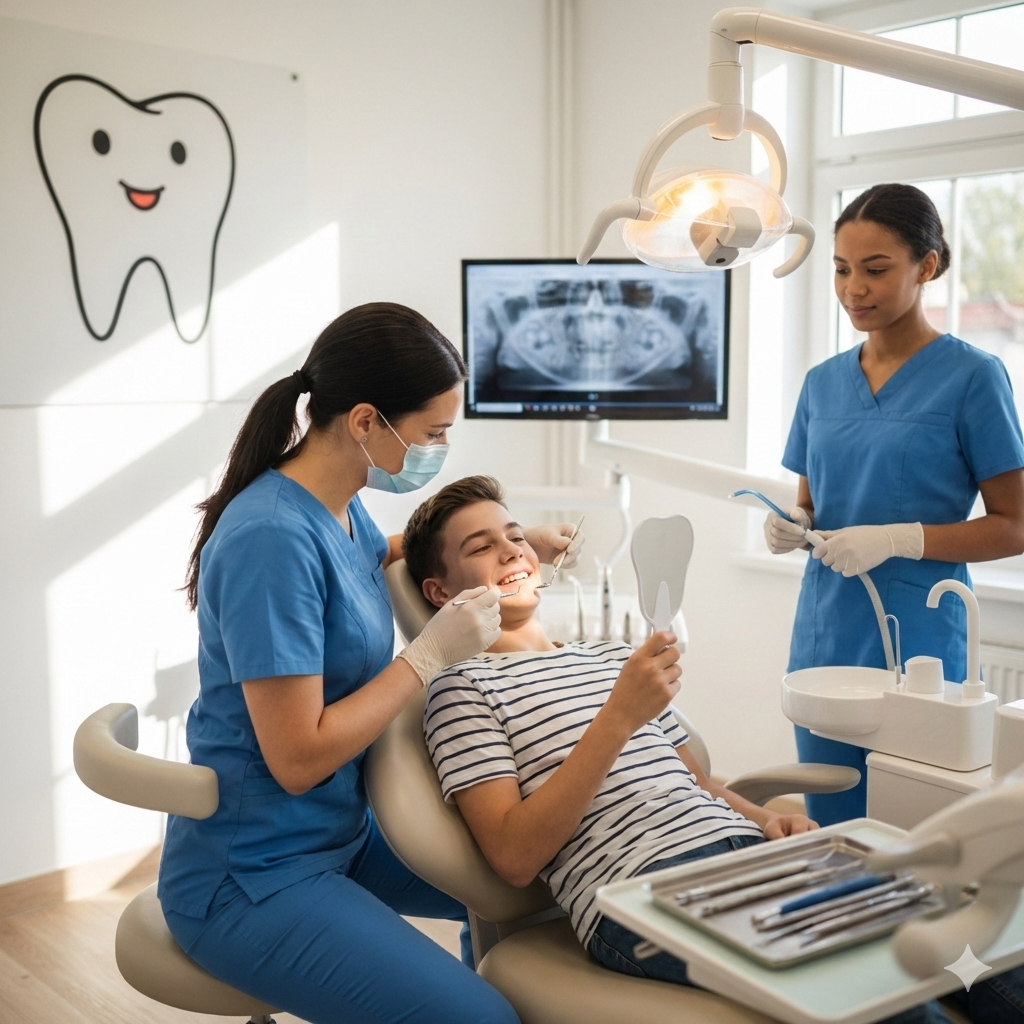
A dental check-up in Louiseville is a simple yet essential step to keeping a healthy smile. These visits allow a dentist to spot any potential issues early before they turn into bigger problems. Regular dental exams help catch cavities, gum disease, and other concerns quickly, making treatment easier and less stressful.
Louiseville dental clinics focus on patient comfort and use modern technology to make check-ups smooth and efficient. Whether it’s a routine cleaning or a thorough examination, patients can expect a friendly environment where their questions and worries are welcomed. This helps people feel confident about maintaining their oral health.
Most importantly, preventive care is at the heart of every check-up. Dentists in Louiseville guide patients on good habits and tailored treatment plans that fit their lifestyle. It’s a straightforward way to protect your teeth and keep your smile bright for years to come.
The Importance of Regular Dental Check-Ups in Louiseville
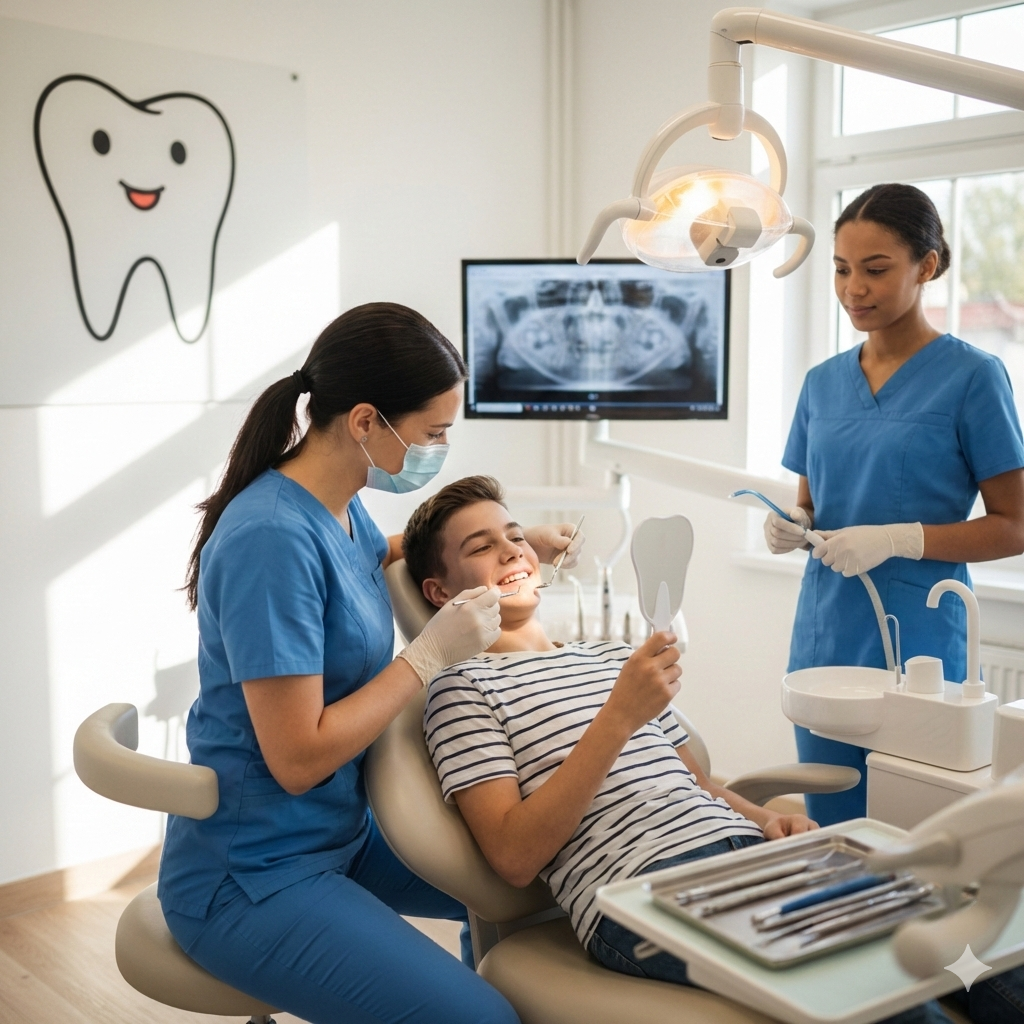
Regular dental visits in Louiseville are essential to maintain healthy teeth and gums, detect issues early, and avoid complicated treatments later. Consistent care helps people protect their smiles, reduce discomfort, and save on future dental costs.
Why Preventive Care Matters
Preventive care focuses on stopping dental problems before they start. Dentists in Louiseville perform professional cleanings to remove plaque and tartar, which brushing alone can’t eliminate. This reduces the risk of cavities and gum disease.
Early detection during check-ups allows for simple treatments, like fillings, instead of more invasive procedures. Fluoride treatments and dental sealants protect teeth, especially for children or adults prone to decay. Patients who stick to regular visits often experience fewer emergency visits and less tooth loss.
Oral Health and Overall Wellness
Oral health is closely linked to general health. Poor dental hygiene can increase risks for heart disease, diabetes, and respiratory infections. Dentists monitor signs of systemic conditions that show symptoms in the mouth.
In Louiseville, dental professionals also educate patients about how nutrition, smoking, and stress affect oral health. Maintaining healthy gums and teeth supports better digestion and boosts confidence. The practice of routine check-ups creates a partnership between the patient and dentist, encouraging a holistic approach to health.
Risks of Skipping Dental Visits
Skipping dental visits can lead to unnoticed cavities developing into severe decay or infections. Gum disease may progress without symptoms until it causes pain, tooth mobility, or even tooth loss.
Delays in diagnosis can result in more complex, expensive treatments like root canals or extractions. Ignoring regular check-ups also misses opportunities for early detection of oral cancers, which have better outcomes when found early. Patients who hesitate to visit a dentist often face greater discomfort and longer recovery times when problems eventually appear.
What to Expect During a Dental Check-Up
A dental check-up in Louiseville is designed to be thorough but comfortable, focusing on your oral health and prevention. The process typically involves reviewing your medical history, examining your mouth carefully, and performing a professional cleaning to leave your teeth fresh and healthy.
Initial Patient Consultation
At the start, the dentist or hygienist will ask about your dental history, current concerns, and any symptoms like pain or sensitivity. They may inquire about lifestyle habits such as diet, smoking, or teeth grinding since these affect oral health.
This step also includes updating records and discussing any medications or conditions that might impact treatment. Clear communication helps tailor the visit to each patient’s unique needs and builds trust for better care.
Thorough Dental Examination
Next, a detailed check of your teeth, gums, and mouth is conducted. The dentist looks for cavities, gum disease, plaque buildup, and signs of oral cancer or other irregularities.
This exam also often involves X-rays to catch problems not visible to the naked eye, such as decay between teeth or bone loss. The dentist explains findings calmly, so patients understand their condition and options.
Professional Teeth Cleaning
After examination, a hygienist cleans your teeth using special tools to remove plaque and tartar above and below the gum line. This step helps prevent cavities and gum disease.
Polishing follows, smoothing your teeth surfaces to reduce plaque buildup and giving teeth a bright, fresh feel. It’s often the most noticeable part, leaving patients feeling clean and confident.
Common Dental Concerns Addressed at Check-Ups
During a dental check-up, several key issues are carefully examined to maintain oral health. These include checking for decay, evaluating the condition of gums, and spotting any early signs of more serious oral diseases. Each area is important in preventing problems before they require complex treatment.
Cavity Detection
Dentists use tools and visual inspections to find cavities early, often before they cause pain. These small holes in the teeth start as enamel damage but can progress if untreated. Detecting cavities early means less invasive treatments like fillings instead of root canals.
X-rays may be taken to see between teeth or under existing fillings where decay hides. Dentists also look for signs like discoloration, roughness, or sticky spots on teeth. Identifying cavities at an early stage helps maintain stronger teeth and limits discomfort.
Gum Health Assessment
Healthy gums are the foundation for a healthy mouth. During check-ups, the dentist measures the depth of gum pockets around teeth to detect gum disease. Healthy gums fit snugly; pockets deeper than 3 millimeters can signal gingivitis or periodontitis.
The dentist checks for redness, swelling, bleeding, or recession, which are common gum disease symptoms. Early treatment can reverse mild gum disease, usually with professional cleaning and improved oral hygiene at home. Monitoring gum health regularly prevents tooth loss and supports overall health.
Early Signs of Oral Diseases
Dental visits also focus on spotting early warning signs of oral diseases beyond cavities and gum issues. These include unusual lumps, sores that don’t heal, or white and red patches. Early detection is crucial for conditions like oral cancer or infections.
The dentist performs a thorough examination, often using bright light and gentle palpation to check tissues. If any suspicious signs appear, prompt referral for further testing ensures timely treatment. Keeping an eye out for these signs at routine visits helps maintain long-term oral and overall health.
Modern Technology and Comfort at Louiseville Dental Clinics
Louiseville dental clinics prioritize both advanced technology and patient comfort to make visits as smooth as possible. Their approach combines precise diagnostic tools with thoughtful amenities designed to ease anxiety and create a welcoming environment.
Digital X-Rays
Digital X-rays in Louiseville clinics use sensor plates instead of traditional film, cutting down radiation exposure by up to 80%. This means safer imaging for patients, especially important for those who need frequent check-ups.
The images appear instantly on a computer screen, allowing dentists to quickly review and explain findings. This speed helps detect cavities, bone loss, and other oral issues early, improving treatment success.
Additionally, digital X-rays can be easily enhanced—zoomed or brightened—helping dentists identify problems more clearly. They also allow sharing images securely with specialists if needed, streamlining referrals and second opinions.
Comfort-Oriented Amenities
Many Louiseville dental offices offer amenities like heated massage chairs, noise-canceling headphones, and soothing music to help patients relax during appointments. These extras reduce stress and make longer visits more tolerable.
Clinics also often use gentle techniques such as slow, precise injections and offer sedation options for anxious patients. Warm blankets and private treatment rooms add to the sense of calm and privacy.
Staff take time to explain procedures step-by-step, which helps ease fears and build trust. This patient-focused approach ensures comfort is a priority, alongside effective dental care.
How to Prepare for Your Next Dental Visit
Preparing well can make the dental visit smoother and less stressful. Knowing when to book and what information to share helps the dental team provide the best care.
Scheduling Your Appointment
Choosing the right time is key. It’s best to schedule when you feel rested and can relax afterward, avoiding busy or stressful days. Many patients find morning appointments beneficial because they don’t interfere with daily routines.
If you’ve had symptoms like tooth pain or swelling, mention them while booking so the team can allocate enough time. Regular check-ups should be booked every six months unless your dentist advises otherwise. Confirm insurance details and payment options upfront to avoid surprises.
Setting reminders on your phone or calendar helps prevent missed visits. If you need to reschedule, doing so as early as possible keeps the dental office efficient and available for others.
What to Bring and Share with Your Dentist
Bringing the right documents and information sets the stage for effective care. Always carry your dental insurance card and a list of current medications, including doses.
Sharing your medical history is crucial, especially if you have conditions like diabetes or heart disease. These can affect dental treatment and require specialized care. Inform the dentist about any allergies or past reactions to anesthetics.
If you’ve noticed changes in your mouth since your last visit, like bleeding gums or sensitivity, mention them. Also, bring any x-rays or dental records if you’re visiting a new dentist. This helps avoid duplicate tests and provides a clearer picture of your oral health.
A short list of questions or concerns can guide the discussion and ensures your priorities are addressed during the visit.
Choosing the Right Dentist in Louiseville
Finding a dentist who meets specific needs involves more than just location or office hours. It includes checking credentials, experience, and how comfortable patients feel during visits. These factors influence both treatment quality and overall satisfaction.
Evaluating Qualifications and Experience
A dentist’s qualifications are the foundation of trustworthy care. In Louiseville, prospective patients should verify dental degrees and certifications from recognized institutions. Membership in professional organizations, like the Canadian Dental Association, often indicates a commitment to ongoing education and ethical standards.
Experience matters, too. Dentists who have treated a variety of cases, from routine cleanings to complex procedures, bring practical skills that improve outcomes. Ask how long they’ve practiced in Louiseville and whether they specialize in areas relevant to your needs, such as pediatric dentistry or cosmetic treatments.
Patient-Centered Approaches
Comfort and communication are key when choosing a dental professional. The right dentist listens carefully, explains procedures clearly, and respects patient concerns. Many clinics in Louiseville now offer modern amenities like sedation dentistry or gentle cleaning techniques to reduce anxiety.
It’s also important that the dentist promotes preventive care tailored to your lifestyle. They should provide personalized advice on oral hygiene, diet, and regular check-ups. This approach helps patients feel empowered and maintain better oral health long-term.
Taking the Next Step Towards a Healthy Smile
After a dental check-up in Louiseville, the next steps become clear and manageable. Whether it’s scheduling a cleaning, discussing treatment options, or simply improving daily habits, each action moves toward better oral health.
Preventive care is a key focus. Regular brushing and flossing, along with routine dental visits, help catch problems early. Simple changes like switching to a fluoride toothpaste or choosing a softer toothbrush can make a difference.
If the dentist identifies any issues, they will explain treatment options in easy terms. Patients can ask questions until they feel comfortable and informed. Modern dental technology often means less discomfort and faster healing.
Here’s a quick checklist Louiseville residents can follow:
| Step | Description | Why it matters |
|---|---|---|
| Schedule cleaning | Book professional cleaning every 6 months | Removes plaque missed at home |
| Follow treatment plan | Complete recommended dental procedures | Prevents worsening problems |
| Maintain daily care | Brush twice, floss once daily | Keeps teeth and gums healthy |
| Ask questions | Discuss concerns with the dentist | Reduces anxiety and confusion |
By taking these steps, anyone can feel confident about their smile. Comfort and care are always priorities at local dental offices. Patients are encouraged to reach out and arrange their next appointment to keep their oral health on track.
Frequently Asked Questions
Understanding how dental check-ups work and what to expect can help ease any concerns. It’s important to know when to schedule visits, what happens during exams, and how to care for teeth between appointments.
How often should I schedule a dental check-up?
Most dental professionals recommend a check-up every six months. However, some people with specific oral health issues might need visits more frequently.
What can I expect during a routine dental exam?
During a routine exam, the dentist will inspect teeth and gums for signs of cavities, gum disease, or other problems. The visit often includes teeth cleaning, X-rays if needed, and a discussion about oral hygiene habits.
Will I experience any pain during a dental check-up?
Routine check-ups usually cause little to no pain. Some cleaning tools might feel uncomfortable for sensitive areas, but any discomfort is typically brief and manageable.
What are some signs that I need to see a dentist sooner than my scheduled check-up?
Persistent tooth pain, bleeding gums, bad breath, or visible tooth damage are clear signs to see a dentist sooner. Early treatment can prevent complications and ease discomfort.
How can I maintain good oral health between dental visits?
Brushing twice daily with fluoride toothpaste, flossing daily, and avoiding sugary snacks help keep teeth healthy. Drinking plenty of water and using mouthwash as recommended also support oral care.
Are there any new dental technologies that make check-ups more comfortable?
Yes, many clinics use digital X-rays, laser treatments, and ultrasonic cleaners. These technologies reduce discomfort and speed up the process while improving accuracy.