
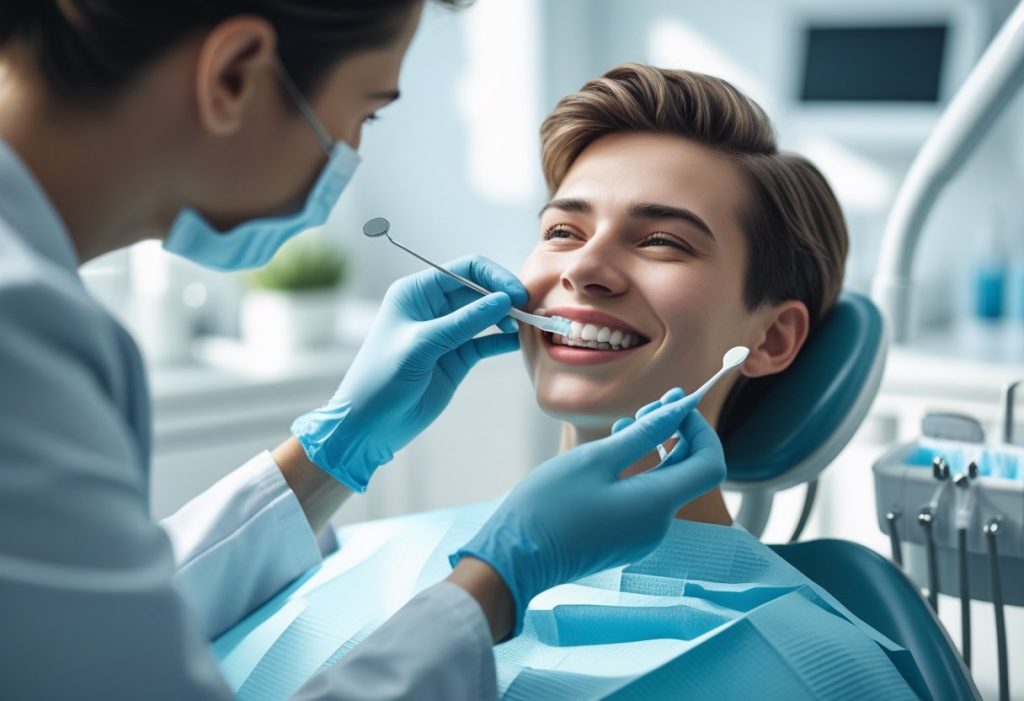
A bright smile can boost confidence and make a lasting impression. Teeth whitening offers a simple way to achieve that glow, whether done at home or in a dental office. Teeth whitening safely lightens stains and discoloration, but it can also cause temporary side effects such as tooth sensitivity and gum irritation. Understanding what to expect helps make the process more comfortable and effective.
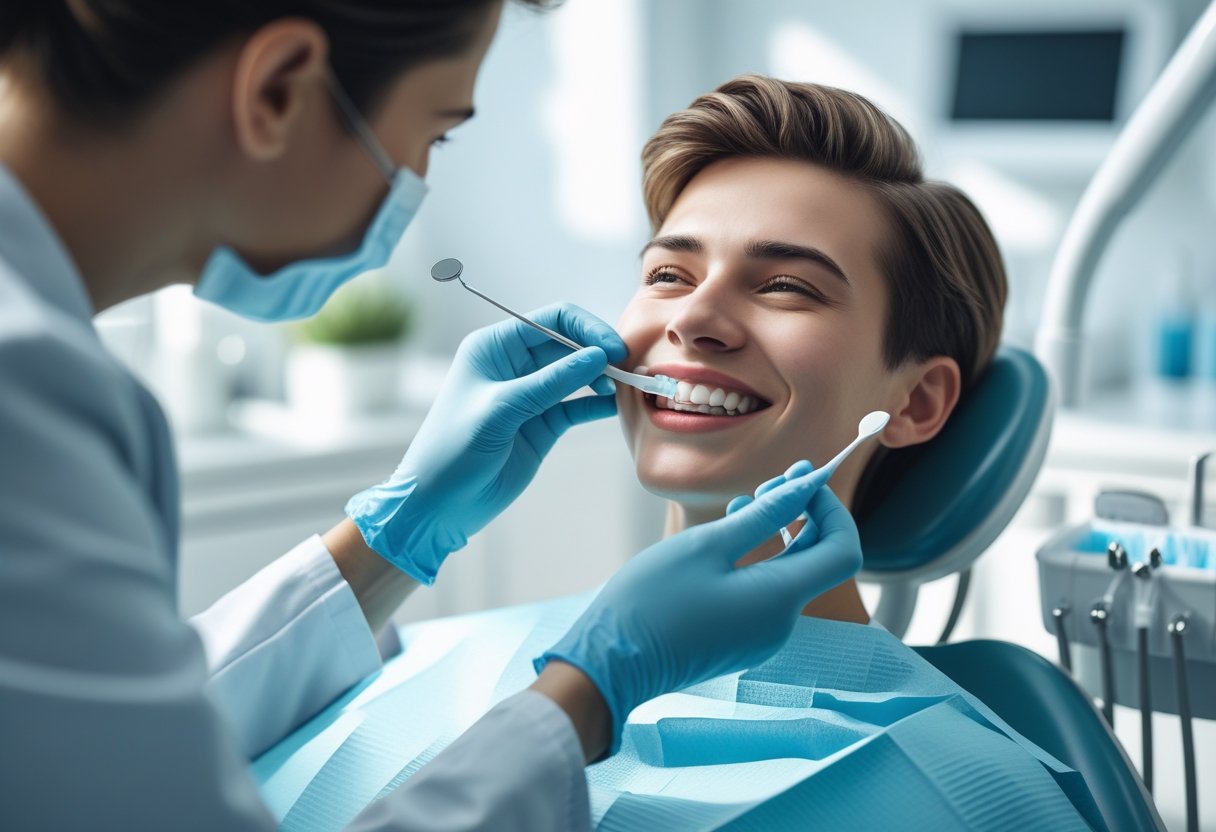
Many people choose whitening treatments without realizing that results and side effects vary depending on the method used. Professional whitening tends to be more controlled, while over-the-counter options can sometimes lead to uneven results or mild discomfort. Knowing how to minimize these effects can help maintain both a whiter smile and healthy teeth.
Those considering whitening should always consult a dental professional before starting any treatment. A dentist can recommend safe products, monitor progress, and address any sensitivity that develops. A confident smile should never come at the cost of oral health.
Key Takeaways
- Teeth whitening brightens smiles but may cause mild, temporary side effects.
- Professional guidance ensures safer and more consistent results.
- Proper care before and after whitening protects enamel and comfort.
What Is Teeth Whitening?
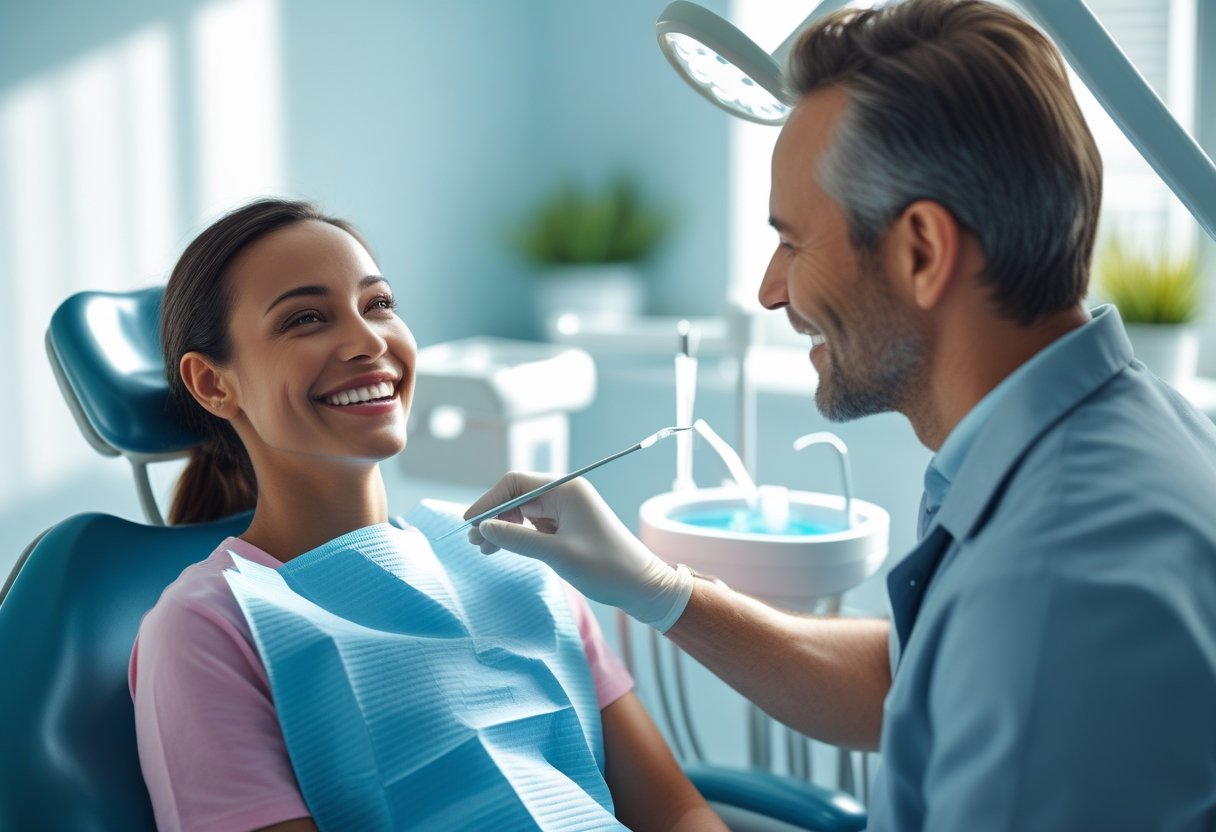
Teeth whitening lightens the natural shade of teeth by removing stains and discoloration caused by food, drinks, aging, or tobacco use. It aims to restore a brighter, more uniform smile using safe and effective bleaching agents under professional guidance.
How Teeth Whitening Works
Teeth whitening uses chemical compounds such as hydrogen peroxide or carbamide peroxide to break down stain molecules on the enamel. These agents penetrate the tooth surface and react with pigments that cause discoloration, making them less visible.
The process does not remove the enamel layer. Instead, it alters the color of stains, resulting in a lighter appearance. According to Healthline, whitening treatments vary in strength, with higher-concentration formulas used in dental offices for faster results.
Some patients may experience mild tooth sensitivity after treatment. Dentists often recommend fluoride gels or desensitizing toothpaste to help manage this temporary effect. Proper application and professional supervision reduce the risk of gum irritation or enamel damage.
Types of Teeth Whitening Treatments
Teeth whitening options fall into two main categories: professional treatments and at-home products. Professional whitening, performed in a dental office, uses stronger whitening agents and protective barriers to ensure even results and minimize sensitivity.
At-home options include whitening trays, strips, and toothpaste. Custom-fitted trays from a dentist provide better coverage and reduce the chance of gum irritation compared to over-the-counter kits. GoodRx notes that ADA-approved whitening toothpastes and gels are the safest choices for home use.
The table below summarizes the main differences:
| Treatment Type | Application Time | Whitening Strength | Professional Supervision |
|---|---|---|---|
| In-office | 30–60 minutes | High | Yes |
| Custom trays | Daily for 1–2 weeks | Moderate | Partial |
| Whitening strips | Daily for 1–2 weeks | Mild | No |
Who Is a Good Candidate?
Not everyone benefits equally from whitening. Ideal candidates have healthy teeth and gums, with surface stains from coffee, tea, or smoking. Whitening works best on natural enamel and is less effective for crowns, veneers, or fillings.
People with severe enamel wear, gum disease, or untreated cavities should address these issues first. Ivy Dental explains that dentists evaluate oral health before recommending whitening to ensure safety and effectiveness.
Those with sensitive teeth or deep intrinsic stains may need gentler alternatives or professional monitoring. A dental consultation helps determine the safest approach and sets realistic expectations for results.
Benefits of Teeth Whitening
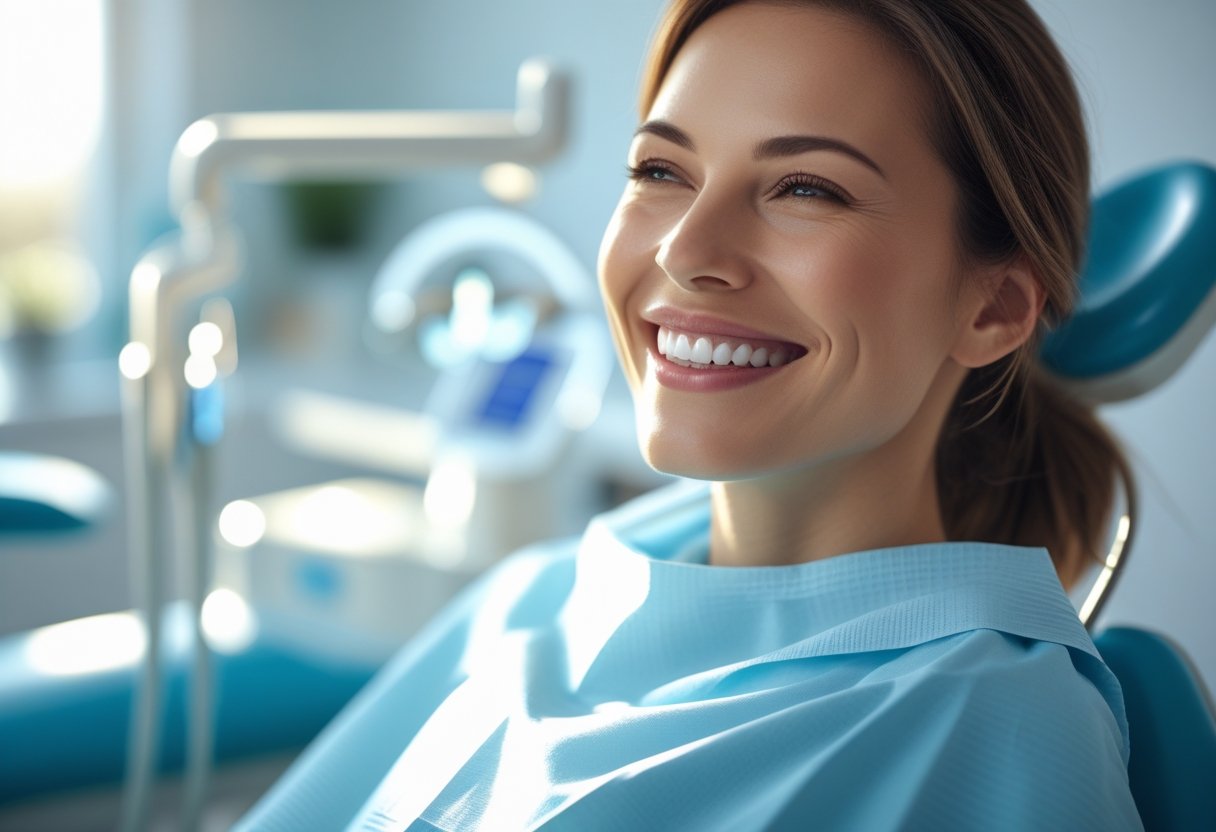
Teeth whitening offers more than a cosmetic upgrade. It provides noticeable improvements in appearance and emotional well-being, helping individuals feel more comfortable sharing their smiles in both personal and professional settings.
Aesthetic Improvements
Whitening treatments remove stains caused by coffee, tea, wine, and aging. By lifting discoloration, the teeth appear brighter and cleaner, creating a more youthful look. According to Smile Everyday Dentistry, both professional and at-home whitening options can effectively reduce surface stains and improve overall brightness when used correctly.
A whiter smile often enhances facial aesthetics by improving contrast between teeth and skin tone. Even subtle whitening can make a visible difference in photos or under natural lighting.
Common benefits include:
- A more polished, healthy appearance
- Reduction of long-term discoloration
- Improved uniformity in tooth color
When performed under professional guidance, whitening can safely achieve consistent results without damaging enamel. Following dentist-approved instructions, such as those noted in Tooth Whitening: What We Now Know, helps maintain both safety and effectiveness.
Boosting Self-Confidence
A brighter smile often encourages people to smile more freely. Many patients report feeling more confident during conversations, interviews, or social events after whitening treatments. This boost can translate into improved communication and stronger first impressions.
According to The Truth About Teeth Whitening: Risks and Side Effects, enhanced appearance can positively influence self-esteem and emotional health, provided treatments are used responsibly.
Confidence gained from whitening can also motivate better oral care habits. People who feel proud of their smile tend to maintain it through regular brushing, flossing, and dental checkups.
For anyone considering whitening, a consultation with a trusted dentist ensures the safest approach and most satisfying results tailored to individual needs.
Common Side Effects of Teeth Whitening
Teeth whitening can noticeably brighten a smile, but it may also bring temporary changes to how teeth and gums feel. The most frequent effects include sensitivity, gum irritation, and mild enamel wear that can occur when whitening agents are used too often or incorrectly.
Tooth Sensitivity
Many people experience tooth sensitivity after whitening treatments. This happens when peroxide-based whitening gels penetrate the enamel and reach the dentin layer, where tiny nerve endings react to temperature changes.
Sensitivity often feels like a brief twinge when eating hot or cold foods. According to Verywell Health, this side effect is usually short-lived and fades once treatment stops.
Dentists may suggest using toothpaste designed for sensitive teeth or spacing out whitening sessions. In-office treatments typically use protective barriers and controlled peroxide levels to reduce discomfort.
A simple way to prevent sensitivity is to avoid overusing whitening strips or gels. Using a soft-bristled toothbrush and fluoride rinse can also help strengthen enamel and calm nerve irritation.
Gum Irritation
Whitening agents can sometimes irritate the gums if the gel touches soft tissue. This irritation may appear as redness, mild swelling, or a stinging sensation that resolves within a few days.
Professional whitening systems apply a protective gel or rubber guard to shield the gums. Home kits, however, can be trickier to control. If trays don’t fit properly, the whitening solution can leak and cause irritation.
The Dentistry of West Bend notes that using less gel and wiping away excess before treatment helps prevent this issue. People with sensitive gums may benefit from whitening alternatives such as low-peroxide formulas or professional supervision.
If irritation persists, pausing treatment and consulting a dentist ensures the gums heal before continuing.
Enamel Damage
Although rare, enamel damage can occur when whitening products are misused or when peroxide concentrations are too high. Enamel is the tooth’s protective layer, and once it thins, teeth become more prone to sensitivity and discoloration.
The Smile Boutique Group explains that hydrogen peroxide and carbamide peroxide break down stains but can also weaken enamel if exposure is excessive.
Dentists recommend using products approved by dental associations and following directions carefully. Overuse of whitening kits or combining multiple whitening methods increases the risk of enamel wear.
To maintain enamel health, patients should limit acidic foods, use remineralizing toothpaste, and schedule routine dental checkups. A dentist can personalize whitening plans to balance cosmetic goals with long-term tooth protection.
How to Minimize Side Effects
Teeth whitening can safely brighten a smile when done correctly. The key is to select products and techniques suited to individual needs and to care for teeth properly before and after treatment to reduce discomfort and protect enamel.
Choosing the Right Whitening Method
Selecting the right whitening method depends on each person’s oral health, sensitivity level, and treatment goals. Professional whitening performed by a dentist often provides the most controlled results. Dentists use protective barriers and customized trays to limit gum irritation and tooth sensitivity.
Over-the-counter kits can be effective but vary in strength. Choosing reputable products and following directions carefully helps prevent enamel damage. According to AMD Dental Clinic, using whitening agents with lower peroxide concentrations can significantly reduce irritation.
People with existing dental issues—such as cavities, gum disease, or exposed roots—should address those problems before whitening. A brief consultation ensures the whitening plan fits their dental condition.
Quick tips for safer whitening:
- Use dentist-recommended products.
- Avoid daily use of strong whitening strips.
- Test sensitivity with a short initial session.
Proper Aftercare Tips
Post-whitening care helps maintain brightness while minimizing discomfort. Teeth are slightly more porous after treatment, so avoiding staining foods like coffee, tea, and red wine for at least 48 hours prevents discoloration.
Brushing gently with a soft-bristled toothbrush and fluoride toothpaste protects enamel. If sensitivity occurs, using desensitizing toothpaste or fluoride gel can help. We Whiten recommends spacing treatments several weeks apart to allow enamel to recover fully.
Hydration also plays a role. Drinking plenty of water and rinsing after meals reduces acid buildup and staining. Regular dental checkups ensure whitening results remain safe and long-lasting, while professional guidance helps tailor ongoing care to each person’s needs.
For anyone uncertain about which approach to take, scheduling a quick consultation with their dentist offers peace of mind and a personalized plan for a brighter, healthy smile.
When to Seek Professional Advice
Teeth whitening can safely brighten a smile, but certain symptoms or changes may signal a need for professional evaluation. Paying attention to discomfort, gum reactions, or changes in tooth texture helps prevent avoidable complications and ensures long-term oral health.
Recognizing Serious Reactions
Mild tooth sensitivity is common after whitening, but intense or lingering pain can indicate enamel irritation or nerve inflammation. If someone experiences sharp pain, gum swelling, or white patches, it’s best to stop treatment and see a dentist. These may be signs of chemical burns or overexposure to whitening agents such as hydrogen peroxide.
Dentists can evaluate whether the enamel has thinned or if the whitening gel has affected soft tissues. According to Dentistry of West Bend, gum irritation and enamel damage are possible when whitening products are misused or left on too long. Professional care can relieve discomfort, protect enamel, and adjust treatment safely.
People using over-the-counter products should also watch for uneven whitening or translucent edges, which may signal enamel erosion. A dentist can recommend gentler alternatives or in-office options that use controlled peroxide levels to minimize side effects.
Long-Term Dental Health Considerations
Frequent whitening can gradually weaken enamel and increase tooth sensitivity. Overuse of peroxide-based products may also alter the natural balance of the mouth’s microbiome. Dentists often recommend spacing treatments several months apart and using fluoride toothpaste to strengthen enamel between sessions.
Regular checkups help monitor gum health and detect early signs of enamel wear. The PMC review on tooth whitening emphasizes that following manufacturer instructions and seeking professional guidance keeps whitening both safe and effective.
Pregnant or nursing women should consult a dental professional before whitening, as noted by Contemporary Family Dentistry. A customized care plan ensures safety for both the patient and developing child.
Those with existing dental issues—like cavities, gum disease, or exposed roots—should always consult a dentist before whitening. Professional evaluation ensures the chosen method supports healthy, lasting results.
Frequently Asked Questions
Teeth whitening can safely brighten a smile when done correctly, but it’s natural to wonder about possible effects, sensitivities, and who might not be a good candidate. Understanding how whitening agents interact with enamel and gums helps people make informed, comfortable choices about their treatment.
What are the potential long-term effects of teeth whitening?
Repeated whitening can gradually wear down enamel if used too often or incorrectly. According to Verywell Health, overuse may lead to lasting tooth sensitivity or mild enamel weakening. Using dentist-approved products and spacing treatments appropriately helps maintain both brightness and tooth strength.
Can undergoing teeth whitening at the dentist lead to any adverse reactions?
Professional whitening is generally safe, but mild side effects like temporary gum irritation or sensitivity can occur. As noted by Dentistry of West Bend, these reactions usually resolve quickly with proper aftercare. Dentists tailor the concentration of whitening agents to reduce discomfort and protect soft tissue.
Are there any risks associated with using teeth whitening strips?
Over-the-counter whitening strips can cause uneven results or gum irritation if misapplied. The team at Dr. Bonyanian’s clinic explains that leaving strips on too long or using them too frequently increases the chance of enamel sensitivity. Following product directions and taking breaks between applications keeps whitening safe and effective.
What should individuals with dental sensitivities consider before opting for laser teeth whitening?
Those with sensitive teeth should discuss their concerns with a dentist before any laser treatment. As shared by Lovoir Beauty, dentists can adjust light intensity or use desensitizing gels to minimize discomfort. Scheduling whitening sessions with adequate recovery time helps protect already delicate enamel.
How might hydrogen peroxide in whitening treatments affect oral health?
Hydrogen peroxide, the main active ingredient in many whitening products, removes stains by breaking down discoloration molecules. However, Twelve Oaks Dental notes that high concentrations can irritate gums or dry out oral tissues. Using dentist-supervised products ensures the correct strength for safe, effective whitening results.
Are there certain people who should avoid teeth whitening procedures?
People with untreated cavities, gum disease, or worn enamel should postpone whitening until these issues are resolved. As explained by Saigon White Dental, whitening can worsen sensitivity or discomfort in compromised teeth. Consulting a dental professional helps determine the safest path to a brighter, healthier smile.